Collaboration is so hot right now. In almost 20 years in the public sector, I can’t remember when there were more calls for councils to work together on shared challenges.
Why are 317 councils in England all buying or building their own version of [insert type of software here] when the services they deliver are largely the same?
Maybe because going it alone is thought to be less hassle? I’ve also seen people say their councils are special, or worry about losing control and their needs being watered down somehow. Well, we can do something about these things.
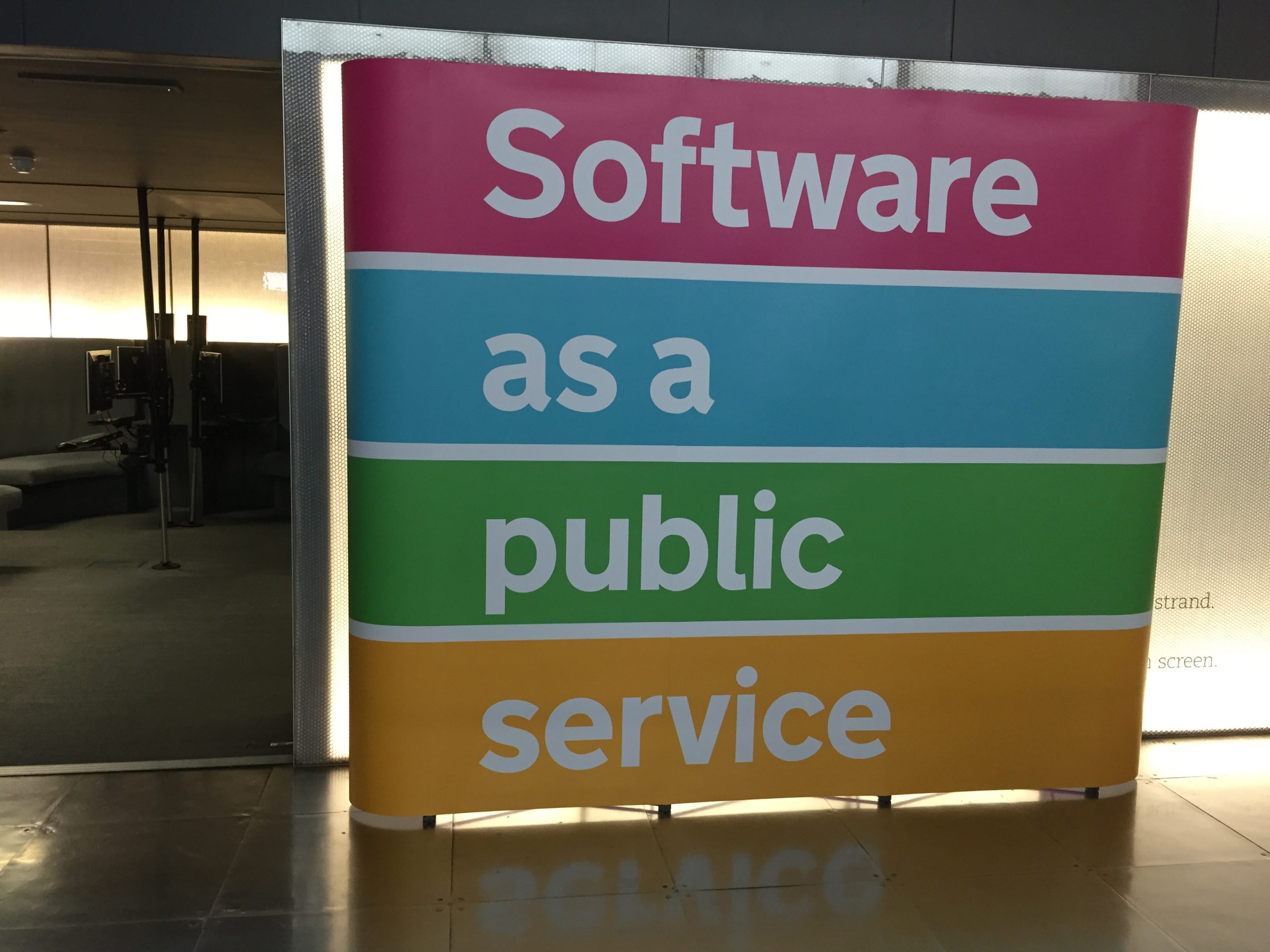
To get the ball rolling, I’ve started cataloguing collaborative projects. I’ve christened them ‘software partnerships’ as they’re generally about providing software and related services, and they derive from multiple organisations working in partnership. (I know they’re not true legal partnerships, but the term will do for now).
My hunch is that all of the collaborative projects listed here have certain characteristics in common. They may be managed or funded differently, or have different legal statuses, but they have facets that make them successful. If we can identify these, perhaps we can make partnerships happen more often.
I’ll keep on gathering info and posting insights. You’re welcome to chip in!
Here’s the sheet
Software partnerships in local government (Google Sheets)
To be included, projects must:
- Be genuine collaborations involving public sector organisations to develop products, services and insight to be used by all
- Offer essential upgrades and information at no extra charge, and provide upfront costs for non-essential ones
- Provide comprehensive, regularly updated and well documented APIs at no extra charge
Ideally, projects should be:
- Open source
- Working in the open with public roadmaps
- Running live services now (although a couple aren’t quite yet)
- Not reliant on interim funding from central government
Comments and submissions are welcome, but I reserve the right to exclude work which isn’t in the spirit of genuine collaboration and openness.